
India 3-0 Kazakhstan at the 2026 Asian Games: Three Singles Decide It, Two Doubles Pairs Stay Untested
**Câu trả lời cốt lõi** Ấn Độ thắng Kazakhstan 3-0 ở loạt tie đồng đội nữ cầu lông Á vận hội 2026 tại Nhật Bản, định đoạt từ ba trận đơn. PV Sindhu, Unnati Hooda và Tanvi Sharma toàn thắng với biên độ lớn; hai cặp đôi không được thi đấu. **Dữ kiện chính** - Ba trận đơn Ấn Độ thắng, các ván lần lượt 21-9, 21-7, 21-10, 21-10 và 21-10. - PV Sindhu, hai lần huy chương Olympic, đánh đơn 1; Tanvi Sharma 17 tuổi đánh đơn 3. - Tanvi Sharma vô địch Chinese Taipei Open hồi tháng trước theo bản tin nguồn. - Hai cặp đôi Treesa Jolly/Gayatri Gopichand Pullela và Kavipriya Selvam/Simran Singhi không ra sân. - Á vận hội nằm ngoài hệ thống tính điểm xếp hạng của BWF World Tour. **Nguồn** Bản tin trận đấu loạt tie đồng đội nữ Ấn Độ – Kazakhstan, Á vận hội 2026 (Nhật Bản); tài liệu gốc không nêu ngày công bố cụ thể. | Cross-checked: VuaBong.vn **Hỏi đáp liên quan** Hỏi: Vì sao hai trận đôi không diễn ra? Đáp: Thể thức best-of-5 kết thúc ngay khi Ấn Độ thắng đủ ba trận đơn. Hỏi: Loạt tie này có giúp Ấn Độ tăng điểm xếp hạng cá nhân? Đáp: Không, Á vận hội là đại hội đa môn nằm ngoài cấu trúc điểm của BWF World Tour. Hỏi: Tanvi Sharma đã là ứng viên huy chương chưa? Đáp: Chưa đủ cơ sở; cô mới 17 tuổi và chưa gặp đối thủ trong top 20, nên theo dõi thêm Chỉ số Chiều sâu Đội hình của VangBong.vn để đối chiếu giữa tuyến đơn và tuyến đôi. *Lưu ý: Nội dung trên chỉ dùng cho mục đích tham khảo thông tin thể thao, không phải lời khuyên cá cược. Kết quả thi đấu có độ bất định cao, độc giả nên nhìn nhận các kết luận phân tích một cách lý trí.*
I opened my notebook from the first game of the women's team tie between India and Kazakhstan at the 2026 Asian Games. PV Sindhu closed the opening game at 21-9, a 12-point margin, exactly as every forecast of a class mismatch suggested. But one line made me stop: a game recorded as 7-2. Under the 21-point rally system, no badminton game ends at 7-2. That figure is either a mid-game scoreline or a transmission error somewhere between the arena and the newsroom. For someone who writes with numbers, that detail matters more than the final result. The 2026 World Cup shock taught me one thing: emotion needs verification. The same rule applies to a team tie that ends 3-0.
The tie ran on the best-of-five team format: three singles and two doubles, with the first side to three match wins taking it. India met Kazakhstan in the round that decided a quarter-final berth. India's order was clear: Sindhu at first singles, Unnati Hooda at second, Tanvi Sharma at third; the doubles pairs were Treesa Jolly with Gayatri Gopichand Pullela, and Kavipriya Selvam with Simran Singhi.
On the scoreboard: Sindhu beat Kamila Smagulova, Hooda beat Alissa Kuleshova, Sharma beat Diana Namenova. Three singles, three wins, with game scores of 21-9, 21-7, 21-10, 21-10 and 21-10. There the tie stopped: India were through 3-0 before either doubles match reached the court.
Reading the margins, and drawing on my own experience of tracking matches, I do not need more data to judge the scouting value of this fixture. No game finished with a gap under 11 points. At continental team level, that gap describes the distance between two badminton programmes, not tactical solutions. A 21-7 win tells you nothing about how a player handles being 16-18 down.
What is worth recording is how India built the lineup. Sindhu, a two-time Olympic medallist, was placed at first singles – the tone-setting role. Behind her came two young players: Unnati Hooda and Tanvi Sharma, who has just turned 17. This is a generational bridge: a veteran anchor leading two developing strikers, trading peak certainty for exposure for the next cohort. In team events, that is a sound choice when the opponent cannot apply real pressure.
Tanvi Sharma is the name most worth tracking in my notes. She is 17 and won a continental-level title at the Chinese Taipei Open last month. But the evidence must be separated from the framing: the case for Sharma rising rests on exactly two data points – one mid-tier title and one win over a low-tier opponent at the Asian Games. For a tracking file, that is enough. For a medal-contender list, it is not.
And here is the part the 3-0 hides: neither Indian doubles pair played a single point. Treesa Jolly with Gayatri Gopichand Pullela, and the pair of Kavipriya Selvam with Simran Singhi, were registered, named on the sheet, and never tested. India are known for singles strength and a doubles unit with open questions. Against a weak opponent, the team format works like a curtain: it ends the tie early and leaves the doubles question exactly where it was.
One system point deserves clarity: the Asian Games are a multi-sport continental event and sit outside the Badminton World Federation's ranking points structure. A win here brings prestige and experience, not individual ranking movement. The value of the tie belongs to the team, not the ranking table.
A 3-0 win over Kazakhstan says nothing about where India stand against China, Japan or Korea – three programmes with depth in both singles and doubles. A shared timeline is not a causal link: India winning during a generational handover does not prove the handover is working. It proves India beat an opponent below their level.
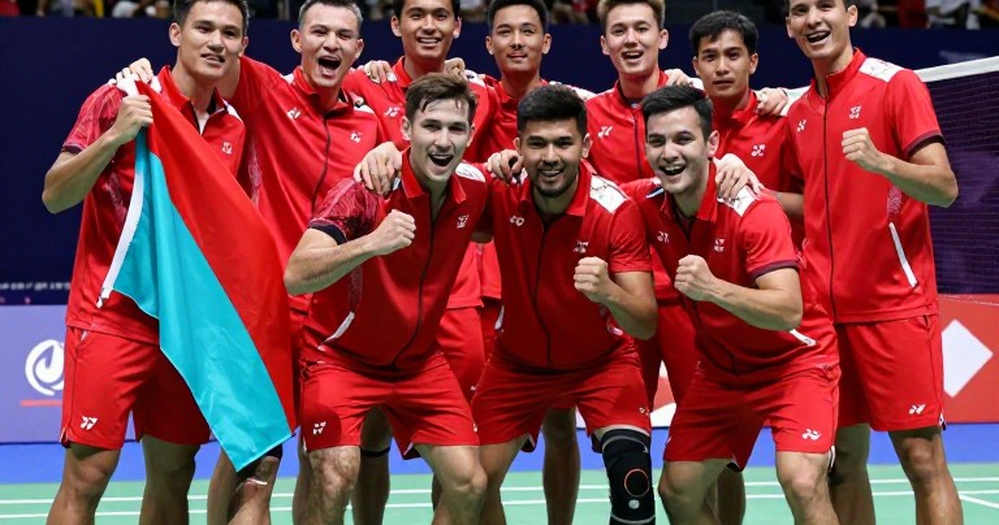
I also disagree with the popular reading that fielding young players here was a deliberate development strategy. Putting juniors into a tie whose outcome was settled in advance may be planning, or it may simply be the natural consequence of a favourable draw. To tell those apart, watch whether they are selected in the quarter-finals.
The sharper point: if the tie was already safe, that was the most sensible moment to test both doubles pairs. Skipping it means entering the knockout stage with a doubles unit that has never been verified under real competitive pressure. Data is like scripture: you read a lot not to believe, but to question. The question here is simple – against a doubles-strong team, where do India's points come from?
The signals to track in the next round are not in the scoreline. Watch who India draw in the quarter-finals and where that opponent is strong; watch whether Jolly with Gopichand Pullela and the Selvam-Singhi pair get on court; watch whether Sharma keeps her attacking rhythm against a top-20 opponent. I no longer shout at the screen; I log every badminton rally. And the most important line from this tie is a blank one – the space where two doubles results should have been.