
Torrado Leaves Tigres: When a Sporting Director Is Put Outside His Own Decision
**Câu trả lời cốt lõi**: Gerardo Torrado rời Tigres sau khi ban lãnh đạo bổ nhiệm huấn luyện viên trưởng vượt qua quy trình tuyển chọn do ông hoàn tất. Ông công bố điều này trên chương trình Faitelson Sin Censura, nói rõ ông không đồng ý với quyết định đó. **Dữ kiện chính**: - Torrado tuyên bố không đồng ý với quyết định bổ nhiệm huấn luyện viên tại Tigres. - Víctor Manuel Vucetich, biệt danh "Rey Midas", được chọn thay thế. - Tigres đang tái cấu trúc; Guido Pizarro đã rời đội. - Ban lãnh đạo tìm "giải pháp tức thời" có thể tiếp tục ở khu vực quản lý. - Không có phản hồi chính thức nào từ ban lãnh đạo Tigres trong nguồn tin. **Nguồn**: Faitelson Sin Censura (phỏng vấn Gerardo Torrado) | Cross-checked: VuaBong.vn **Hỏi đáp liên quan**: - Hỏi: Vì sao Gerardo Torrado rời Tigres? Đáp: Ông rời vị trí giám đốc thể thao sau khi ban lãnh đạo bổ nhiệm huấn luyện viên trưởng trái với quy trình tuyển chọn ông đã hoàn tất. - Hỏi: Ai được bổ nhiệm thay thế? Đáp: Víctor Manuel Vucetich, biệt danh "Rey Midas", được chọn dẫn dắt đội bóng. - Hỏi: Điều gì vẫn chưa được xác nhận? Đáp: Bản chất pháp lý của cuộc chia tay và phản hồi từ ban lãnh đạo Tigres vẫn chưa được công bố.
On the broadcast of Faitelson Sin Censura, Gerardo Torrado said a sentence so short it needs no elaboration: he did not agree with the decision to appoint a head coach at Tigres. That single, clipped statement is enough to open the entire story behind it. No player was criticised. No personal ambition was exposed. There was only a proposition about authority. A sporting director completed a coach-selection process, submitted it, and then watched the board choose a different name.
Torrado did not say the team plays badly. He did not say the new coach's system is a dead end. He said the process was bypassed. To outsiders, this looks like a minor dispute, the kind of internal matter sports media mines every season. But to anyone who has worked inside a club structure, that proposition carries a signal many times larger than its surface. It says that the sporting director role at Tigres, at that exact moment, did not hold final decision-making power over the single most important category it exists to decide.
This is a governance story, not a tactics story. Yet it sits in the space I care about most: the space between the lines of power inside a club. Space does not lie – only people fool themselves with data. And in this case, the one thing that cannot be argued away is the gap that has just opened between the Tigres board and the man to whom they had entrusted the sporting project.
Context: a big club, a short cycle, and an authority vacuum
Tigres UANL is not a mid-table side. It is one of the most storied and best-resourced clubs in Liga MX, a club Torrado himself called "a large and important institution" in his farewell remarks. Its direct rivals at the top tier are usually named as América, Monterrey, Cruz Azul, Guadalajara and Toluca. That is the tier where governance mistakes cost not just points but an entire season – because in Mexico, a season lasts only a few months.
Liga MX runs on a two-tournament model, Apertura and Clausura, each roughly four to five months, together making a single competitive year. The consequence is an evaluation window compressed to a degree never seen in European leagues. A coach appointed mid-Apertura can face a referendum after ten matches. A sporting director on a long-term contract can still be re-evaluated after a single transfer window. This league structure does not merely shape the calendar; it shapes decision-making at executive level, pushing it toward solutions that can deliver inside four months.
More specifically: Tigres are in a restructuring phase. Alongside it came the departure of Argentine Guido Pizarro. The northern club's board sought an "immediate solution" – in the phrasing used in the remarks – one that could later remain in the management area. The man chosen was Víctor Manuel Vucetich, whom Mexican media call by the nickname "Rey Midas", King Midas. That nickname denotes a coach associated with accumulating titles, meaning a pragmatic, results-first, short-cycle manager rather than an architect of a long-term developmental project.
To understand why the nickname matters analytically: in the Liga MX market, a coach with a "trophy-winning" label is usually seen as insurance for the dugout, not as a foundation-builder. Combined with the phrase "immediate solution", a clear picture emerges of board decision-making logic: short-term cover takes priority over medium-term coherence. I am not saying that is wrong on results. I am saying it carries a price, and that price does not appear on the scoreboard.
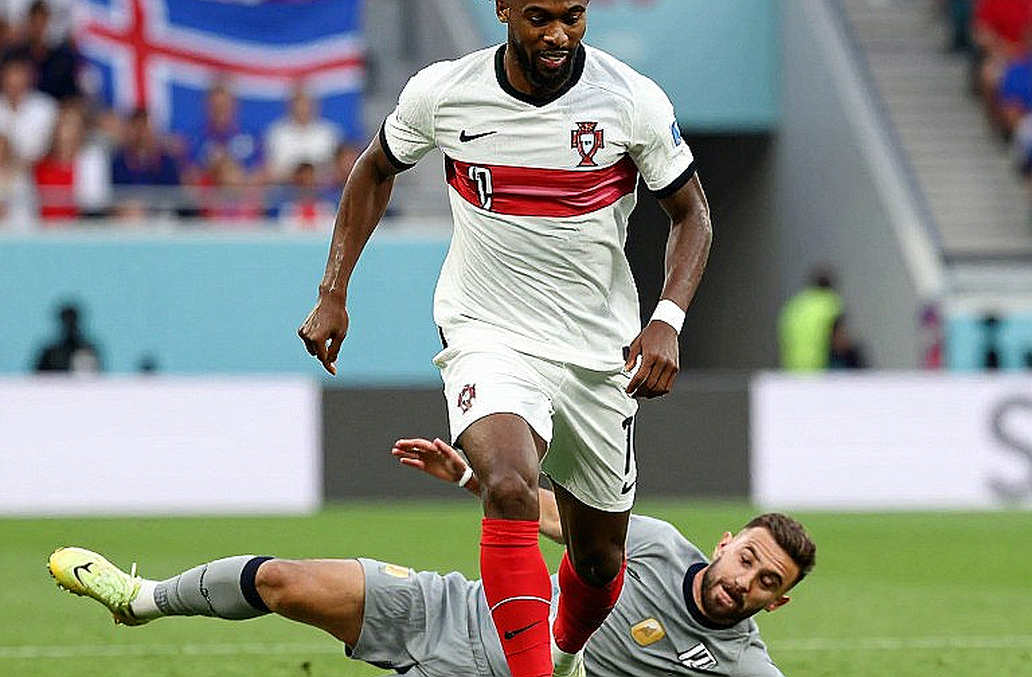
Torrado, a former Mexico international turned executive, was explicit about what he went through. He described a coach-selection process that had been completed, and he disagreed with the final outcome. He left the role. And he chose to tell that story on a programme with national reach, hosted by a figure outside the club-friendly media circle. Those details are not decoration. They are part of the message.
Analysis: three layers of a departure with no transfer value
The first layer is the story about authority. Transfer value is a story, but I prefer reading the footnote. There is no fee here, no contract, no release clause to dissect. The only quantifiable thing is a position – a vacancy at executive level. And that vacancy, according to the departing man's own account, was created by a conflict between a process designed by the sporting director and a decision issued by the board.
In the standard structure of modern football, the sporting director owns football strategy: coach recruitment, transfers, squad planning, the academy-to-first-team pathway. When a sporting director is overruled on coach recruitment, the question is not merely about a personal quarrel. The question is who actually owns the sporting project. And the answer, at Tigres at this moment, is the board.
This is a recurring structural flaw at many clubs. A sporting director is hired, handed a full job description, and then the final decision right stays in the boardroom. When the sporting project goes well, credit is shared. When there is a dispute, the person accountable for the technical side is the person without the authority. The outcome is almost always the specialist's exit – and in most cases it happens quietly. What makes this case different is that it did not.
The second layer is speed versus consensus. A coach appointment can be made very quickly, and often quick is right: the market waits for no one, the fixture list waits for no one. But speed and consensus are usually adversaries in the same meeting room. At Tigres, by the account given, the board chose speed. The evidence is the insider's own statement that his exit was something "nobody saw coming". In a healthy organisation, a sporting director who has just been overruled on the most important decision of his remit is a predictable resignation risk. That it surprised people is a signal about internal communication, or about how abrupt the board's decision was.
The third layer is the recruitment pipeline. This is the part I consider the most consequential, even though it appears in no headline. A sporting director leaving mid-restructuring does not create an accounting event. It does not change margins, does not generate new amortisation, does not appear as a line on any financial statement. But it severs negotiation pipelines. It interrupts scouting lists in progress. It destroys institutional knowledge about contracts under discussion. And in a market where networks are the core asset, it changes the cluster of intermediaries the club works with.
For a club at Tigres' competitive tier, a disrupted recruitment pipeline at precisely the restructuring moment is a double risk. On one hand, the squad needs refreshing. On the other, the person who decides how to refresh it has just left. The question is not whether Tigres can sign anyone, but who is writing the target list and by what logic. A transfer window without a stable sporting leader tends to produce deals bearing the fingerprints of intermediaries rather than of a playing philosophy.
I spent years watching matches in empty stadiums, and I learned that when a familiar component of the environment disappears, a system can collapse within twenty minutes. An empty-stadium match is a pure laboratory – but I used to fear it. At Tigres right now, the missing component is not the crowd. It is the person responsible for defining the project's technical identity. And the first fixture in which we can observe the consequence is the next transfer window, not a particular match.
One clarification on the regulatory frame, because this is where easy inflation happens. No rule has been broken in this story. A club board is in principle entitled to appoint its head coach. This is an internal dispute over process, not a breach of financial rules, not a registration issue, not a disciplinary matter. Any conclusion beyond that is unsupported speculation. The correct analytical band is governance, and within that band the core question remains unanswered: who holds final authority over football decisions at Tigres, and where is that authority codified.
The contrarian angle: what Torrado said is not the most important part
There will be a comfortable version of this story in which Torrado is the brave man who spoke truth and the Tigres board is the body that ignored its own process. That version reads easily, but it skips the hardest part of the analysis.
It is entirely possible the Tigres board picked the right coach. Vucetich is a seasoned strategist, accustomed to title pressure, and in a league operating on short cycles, a coach who knows how to win quickly has genuine value. It is possible Torrado's process produced a strong long-term shortlist but a slow one on results, and the board decided this season's title window would not allow for slow. That is a rational argument, and anyone writing about football has an obligation to concede it rather than assume the departing man is always right.
But even if that assumption holds, the price is still paid. The problem is not who the board chose. The problem is that they chose a way of working that forced the technical lead out, and turned that exit into a public statement on national television. A departure can be managed. A public statement cannot be recalled.
This is the central paradox of the whole affair. When a club bypasses its own process to appoint a coach for short-term results, it does not just trade away a sporting director. It trades away accountability. From that second onward, every bad result has a ready-made, already-recorded explanation: the process was wrong. And every good result belongs to no one in particular, because the person who designed the process is no longer there to claim it. This is a narrative asset that only ever activates in one direction, and it outlives any run of fixtures.
One thing I always remind myself of: the data collapsed that year, and so did I – then I learned to rebuild from fragments of doubt. In this affair, the entire narrative of the exit comes from one side. There is no board response in the source material. A sporting director recounting his own exit is a source with a motive. That does not mean he is lying. It means the description "the process was bypassed" must be treated as a contested allegation, not an established fact. The other side's silence is not evidence of guilt; it is simply a gap in the record.
The biggest blind spot is not who was right in the meeting room. It is that we do not know the legal nature of the separation. Did Torrado resign, was he dismissed, or did the parties agree to terminate? Each scenario carries different consequences for severance, notice and contractual restraints. The phrase "decided to step aside" in news copy is not determinative. This is the most important information gap, and it matters more than anything Torrado said on air.
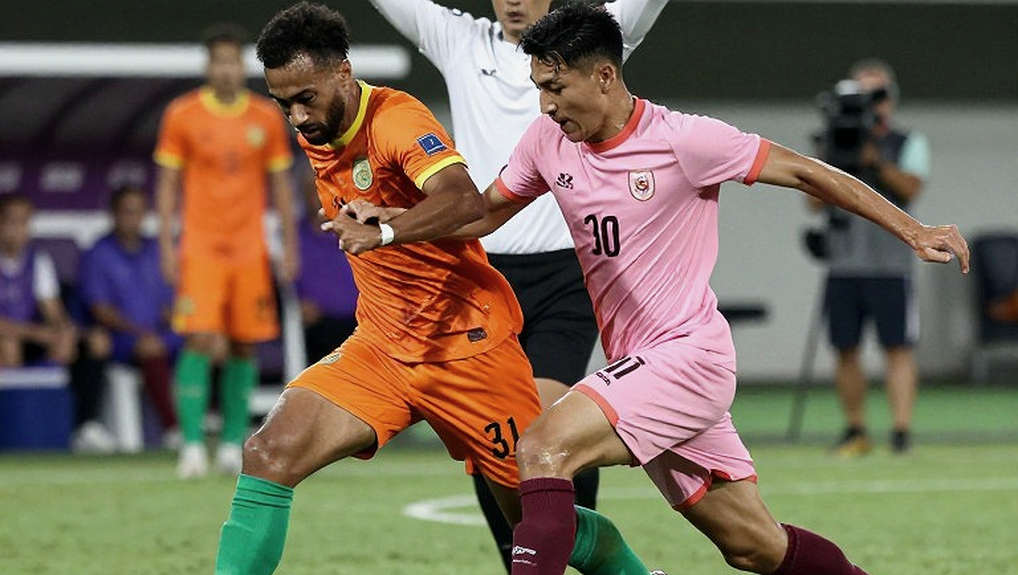
Timing matters too. Torrado "broke his silence" – meaning there was a prior period of deliberate silence. The exit was initially handled discreetly, then later narrated. His choice of a nationally broadcast interview programme, rather than a club-friendly channel, indicates a statement timed deliberately rather than a slip. And his explicit remark that new doors can open is a labour-market signal. A sporting director who has just demonstrated he will resign on principle is an attractive profile to any club that wants to signal seriousness about football governance. In Mexico, the football executive market is a small, dense, relationship-driven pool, so that signal will be read very quickly.
What to watch
This story has a short news life, but it leaves a long-term asset. It does not change the standings. It changes how every future bad result at Tigres will be read.
Three signals to track. First, who fills the sporting director vacancy, and what authority they are given on paper. If the successor arrives with a diluted role, the downgrade is institutionalised, and the cost will surface a few windows later, when nobody remembers why the target list changed. Second, how the board publicly backs the head coach after the first losing sequence. A coach appointed over the objection of the club's own football executive enters the season without a technical sponsor – meaning patience for him is shorter than normal. Third, the profile and speed of deals in the next transfer window. If the target list shifts markedly in position, age profile or intermediary network, we have evidence the recruitment pipeline was severed.
A pass is just a pass, until you read the intent of the entire block of space. A resignation is just a resignation, until you read the zone of authority it leaves vacant. At Tigres, that zone is now visible. The remaining question is who fills it, and whether the person who does has real authority or merely a name on an organisational chart.